Creating a cozy and productive home office space is essential for anyone who works from home. An effective workspace can boost your focus, reduce stress, and make daily tasks more enjoyable. Whether you have a dedicated room or just a small nook, the right setup can make a big difference. Here are some helpful tips to guide you in crafting a home office that feels inviting and supports your work goals.
Choose the Right Location
Picking the best spot in your home is the first step. Ideally, your workspace should be:
– Quiet and away from distractions. Avoid areas with heavy foot traffic or loud noises.
– Well-lit. Natural light is preferred since it reduces eye strain and improves mood.
– Separate from personal spaces. This helps create a mental boundary between work time and relaxation.
If space is limited, consider using a room divider or a screen to visually separate your office area from the rest of the room.
Invest in Ergonomic Furniture
Comfort is key when you spend hours at your desk. Ergonomic furniture supports good posture and reduces discomfort.
– Desk: Choose a desk with enough surface area for your computer, notebooks, and any other essentials. Adjustable desks that allow for sitting and standing are a bonus.
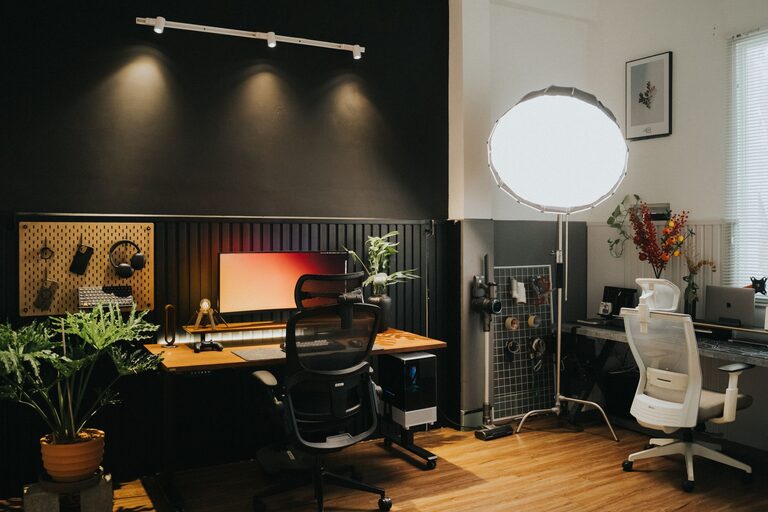
– Chair: Look for an adjustable chair with lumbar support and cushioning to maintain comfort throughout the day.
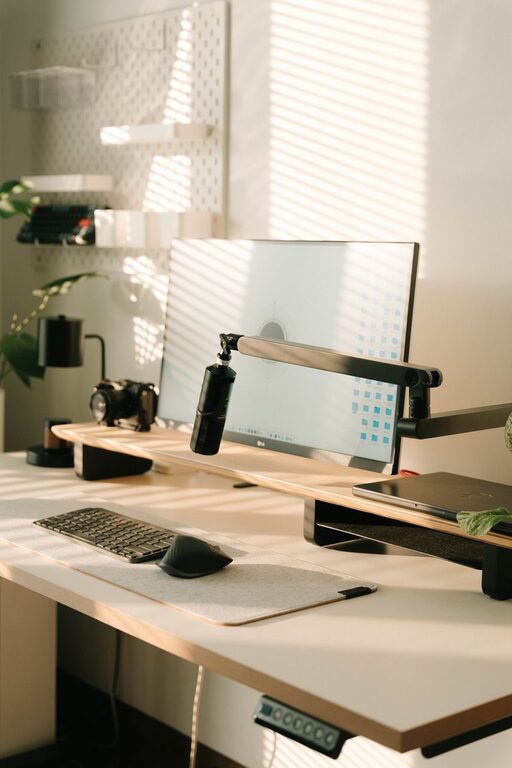
– Monitor height: Your monitor should be at eye level to prevent neck strain. Using a monitor stand or risers can help with this.
Taking care of ergonomics prevents pain and fatigue, allowing you to focus longer and stay productive.
Optimize Lighting
Lighting can dramatically impact both your mood and productivity.
– Natural light: Position your desk near a window whenever possible. Use sheer curtains to diffuse harsh sunlight.
– Task lighting: A good desk lamp with adjustable brightness helps reduce eye strain during late work sessions.
– Avoid glare: Arrange screens to minimize reflections from windows or overhead lights.
Balanced lighting reduces headaches and keeps you energized throughout the day.
Add Personal Touches for Coziness
Creating a space you love will motivate you to spend time there.
– Color scheme: Choose calming colors like soft blues, greens, or neutrals to create a relaxing atmosphere.
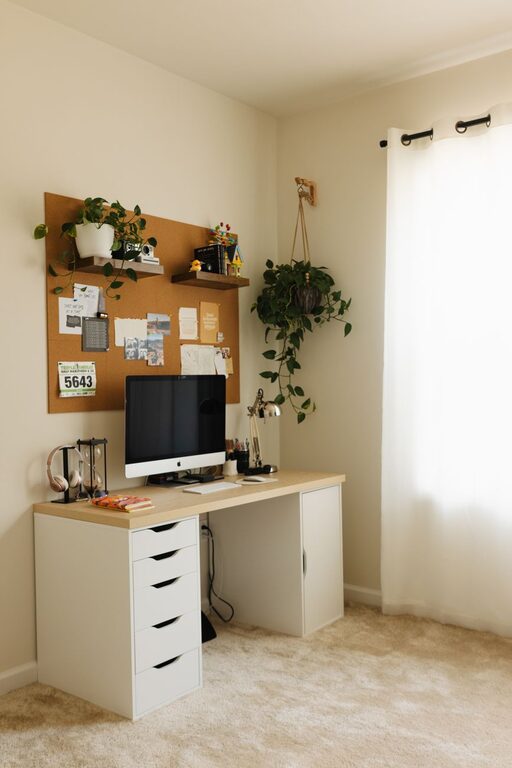
– Plants: Small indoor plants improve air quality and add life to your office.
– Decor: Hang artwork or photos that inspire you, but avoid cluttering walls with too many items.
– Textiles: Add a soft rug or cushions to make the area feel warm and inviting.
These touches help your workspace feel less sterile and more like your own, increasing your connection to the space.
Keep Your Space Organized
A tidy environment helps clear your mind and keeps you efficient.
– Storage: Use shelves, filing cabinets, or baskets to organize papers and supplies.
– Cable management: Keep cords neat with clips or sleeves to avoid a tangled mess.
– Desk essentials: Keep only necessary items on your desk to maintain focus.
Set aside a few minutes each day to tidy up. An organized workspace promotes productivity and reduces stress.
Use Technology Wisely
Being prepared with the right tech tools supports your workflow.
– Reliable internet: A strong and stable internet connection is critical for remote work.
– Headphones: Noise-canceling headphones help block distractions during calls or focus time.
– Apps and software: Use productivity apps, calendars, and reminders to stay on track.
Regularly updating your technology ensures you’re working efficiently without interruptions.
Create Boundaries and Routine
To keep work separate from personal life, set clear boundaries.
– Defined work hours: Establish a schedule, and communicate it with family or roommates.
– Breaks: Take regular breaks to stretch and rest your eyes.
– End-of-day routine: Develop a ritual to signal the end of work, like shutting down your computer or tidying your desk.
A routine helps your mind shift between work and relaxation, maintaining a healthy work-life balance.
Consider Sound and Temperature
Comfort also depends on the sounds and temperature in your space.
– Sound: Add a white noise machine or play soft background music if your environment is noisy.
– Temperature: Ensure your office area is well-ventilated and maintain a comfortable temperature with fans, heaters, or humidifiers as needed.
A comfortable sensory environment supports sustained focus and well-being.
—
By thoughtfully designing your home office with these tips, you can create a space that feels cozy and supports your productivity. A well-planned workspace is more than just a desk and chair—it’s a place that inspires focus, creativity, and balance in your workday.
About the Author